How often does a furnace need a tune-up, and what happens if you skip it?
A gas furnace needs a professional tune-up once a year, ideally in the fall. The most important reason is safety: a furnace burns gas inside your home, and a yearly check is how problems with the flame, the heat exchanger, or the venting get caught before they can put carbon monoxide into the air you breathe. If you don't know when yours was last serviced, assume it's due.
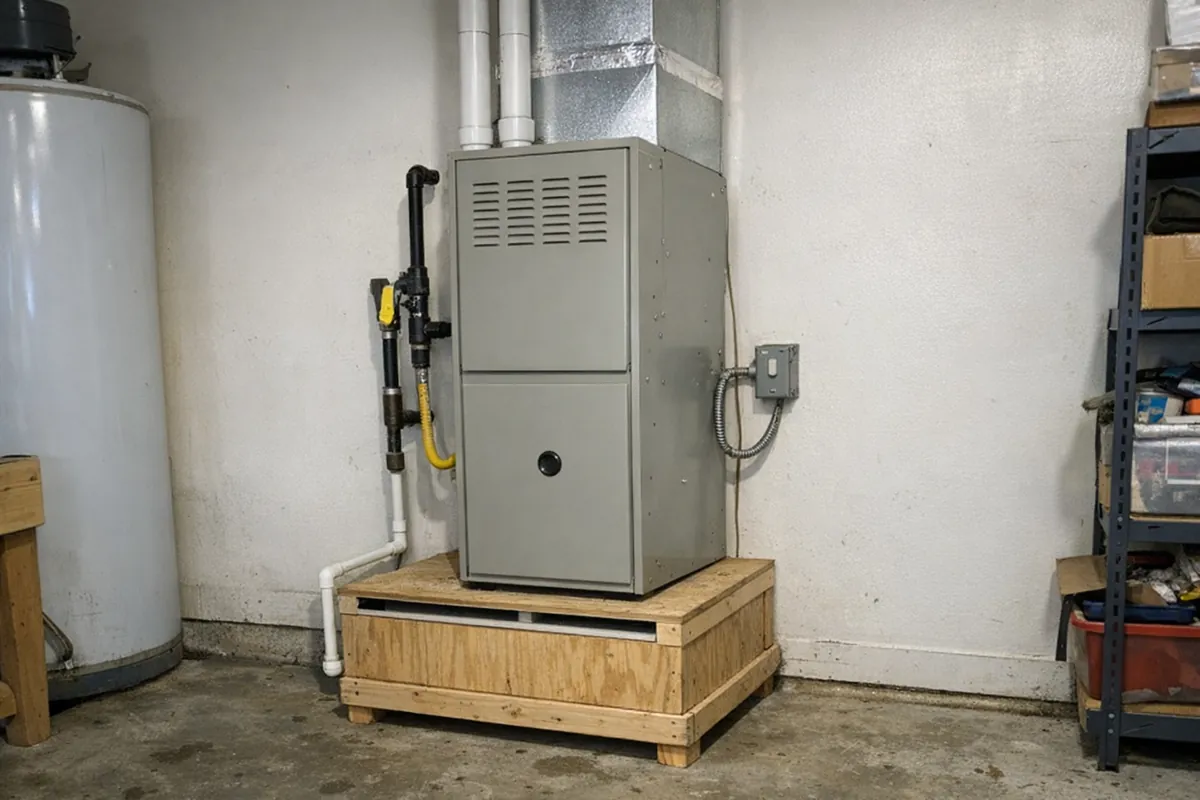
I'm Fixa. This article is about the visit that's meant to come before a breakdown: what it's for, how to tell if you're overdue, and which parts of furnace care are yours and which need a pro's tools.
How often does a furnace need a tune-up?
Once a year. That's the consistent answer from the people with no reason to exaggerate it. The U.S. Consumer Product Safety Commission recommends a yearly professional inspection of all fuel-burning heating systems. Puget Sound Energy tells customers to have the furnace inspected yearly. ENERGY STAR suggests doing it in the fall, before contractors get busy. Furnace makers such as Carrier say the same in their maintenance guides.
If fall got away from you, late November still counts. The point is one visit per heating season.
How do I know when mine was last serviced?
Look in four places:
- The furnace itself. Many technicians leave a dated service sticker or tag on the cabinet, the ductwork beside it, or the inside of the door.
- Your records. Search your email and paperwork for an invoice from a heating company.
- Your home purchase file. If you bought the house in the last few years, the inspection report and the seller's disclosures may mention furnace service.
- The company on the sticker. If a contractor's name is on the unit, call them. Service companies often keep visit history by address.
If none of those turns up a date in the last twelve months, treat the furnace as due.
What does a pro check that I can't?
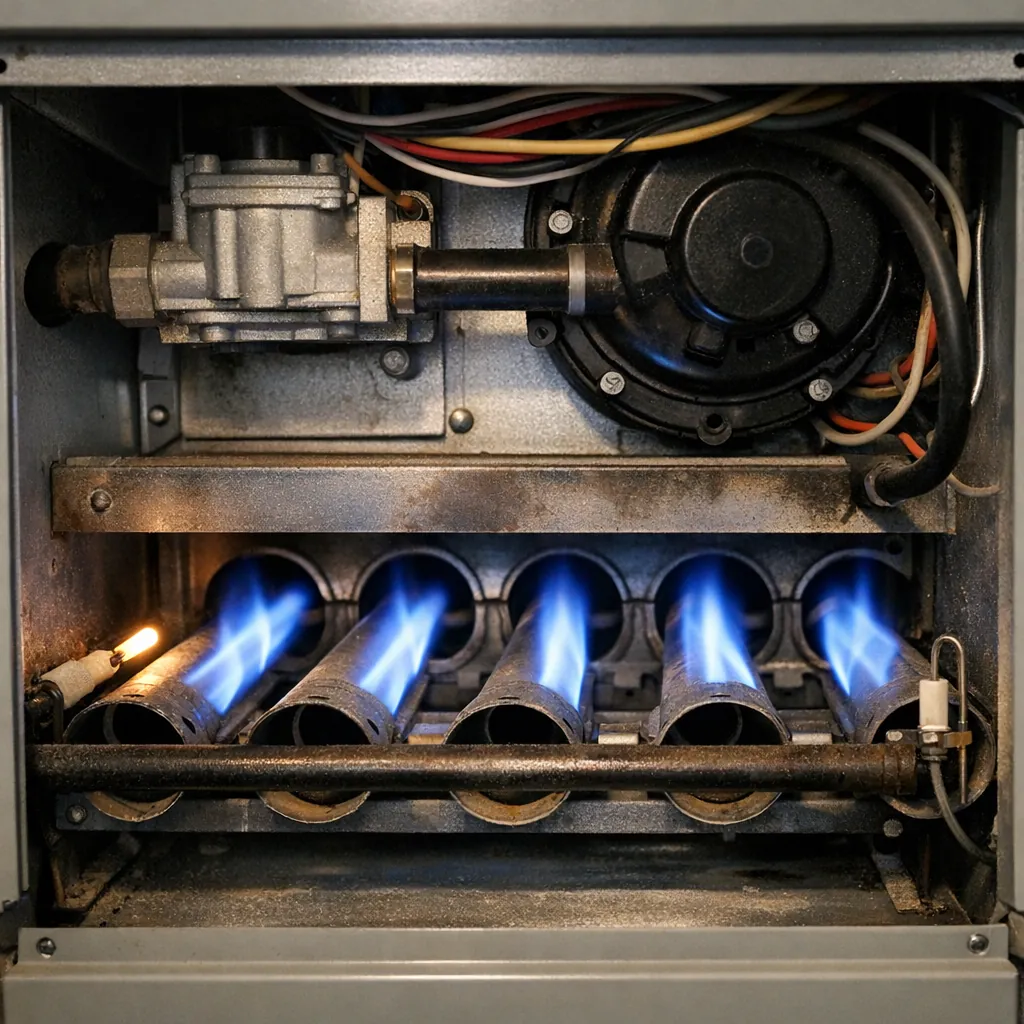
A tune-up is mostly about the parts behind the door: the ones that burn gas, carry exhaust, or need a meter to judge. Drawing on ENERGY STAR's maintenance checklist and Carrier's inspection guide, a professional heating check-up generally covers:
- The heat exchanger. This is the metal wall between the flame and the air blown into your rooms. A crack or rust hole can let exhaust, including carbon monoxide, mix into that air.
- Burner combustion. A healthy flame is steady and blue. A technician checks the flame and can test the exhaust and the air for carbon monoxide with an analyzer.
- Gas connections and gas pressure. A leaking connection is a fire hazard. Pressure is measured with a gauge and compared with the maker's spec for that model.
- Ignition and the flame sensor. The sensor proves a flame is present. Carrier calls a dirty or failing one among the most common reasons a furnace lights, then shuts off seconds later.
- Electrical connections and motors. ENERGY STAR notes that faulty connections can cause unsafe operation and shorten the life of major parts. Motor voltage and current are measured to spot a motor in trouble.
- Safety controls and a full cycle. The technician watches the furnace start, run, and shut down to confirm the safety switches do their job.
- The condensate drain. High-efficiency furnaces make water. A clogged drain can cause water damage.
- The venting. The exhaust pipe has to be secure and clear, so combustion gases leave the house.
None of that is a homeowner job. It takes training, instruments, and work around live gas and electricity.
What happens if I skip it for years?
Often, nothing you can see. That's the trouble. A furnace can run for a long time while small problems build quietly. Here is what the sources say tends to follow:
- Safety problems go unnoticed. The CPSC lists heating systems among the leading sources of carbon monoxide deaths in homes, which is why it asks for a yearly inspection. A cracked heat exchanger or a blocked vent gives no warning you can see from the outside.
- A no-heat morning. A dirty flame sensor or a worn igniter is a small fix on a scheduled visit. Left alone, it's the part that stops the furnace on the first cold night, when, as Carrier puts it, you may wait for an emergency repair at a premium rate.
- Higher gas use. ENERGY STAR says a dirty burner or cracked heat exchanger makes the furnace run improperly and less efficiently. How much depends on the furnace, so I won't put a number on it.
- Water damage. A condensate drain nobody has looked at can clog and leak.
- Warranty trouble. Some manufacturer warranties expect maintenance by a licensed pro, and Lennox's limited warranty, for one, says proof of prior maintenance may be required for a claim. Check the terms for your own furnace.
What do I get from doing it now?
You find out the furnace is burning cleanly and venting properly at the start of the season, not partway through it. Worn parts get caught on your schedule. You get a dated record for your files and for any warranty claim. And you know where you stand, which is the real point if you've just realized you have no idea when the last visit was.
One honest limit: a tune-up lowers the odds of a breakdown and catches problems early. It can't promise the furnace will never fail.
FixerUp is running a $119 special on a furnace tune-up. Changing the filter is included in the visit; the replacement filter itself is not. The $119 is before tax.
To book it, start in the FixerUp app. Tell me roughly how old the furnace is and when it was last serviced, if you know, and I'll line up a heating pro. We currently serve the Seattle Metropolitan area.
What can I do myself between visits?
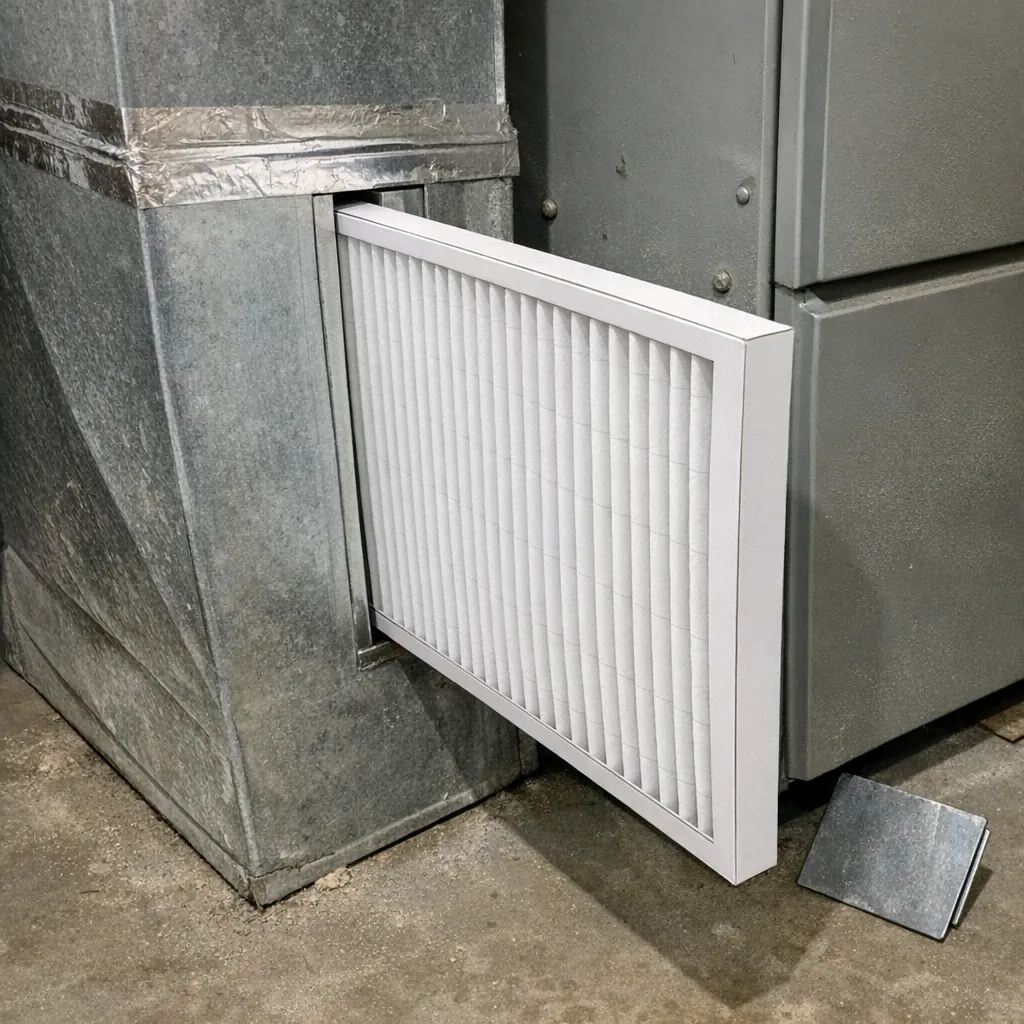
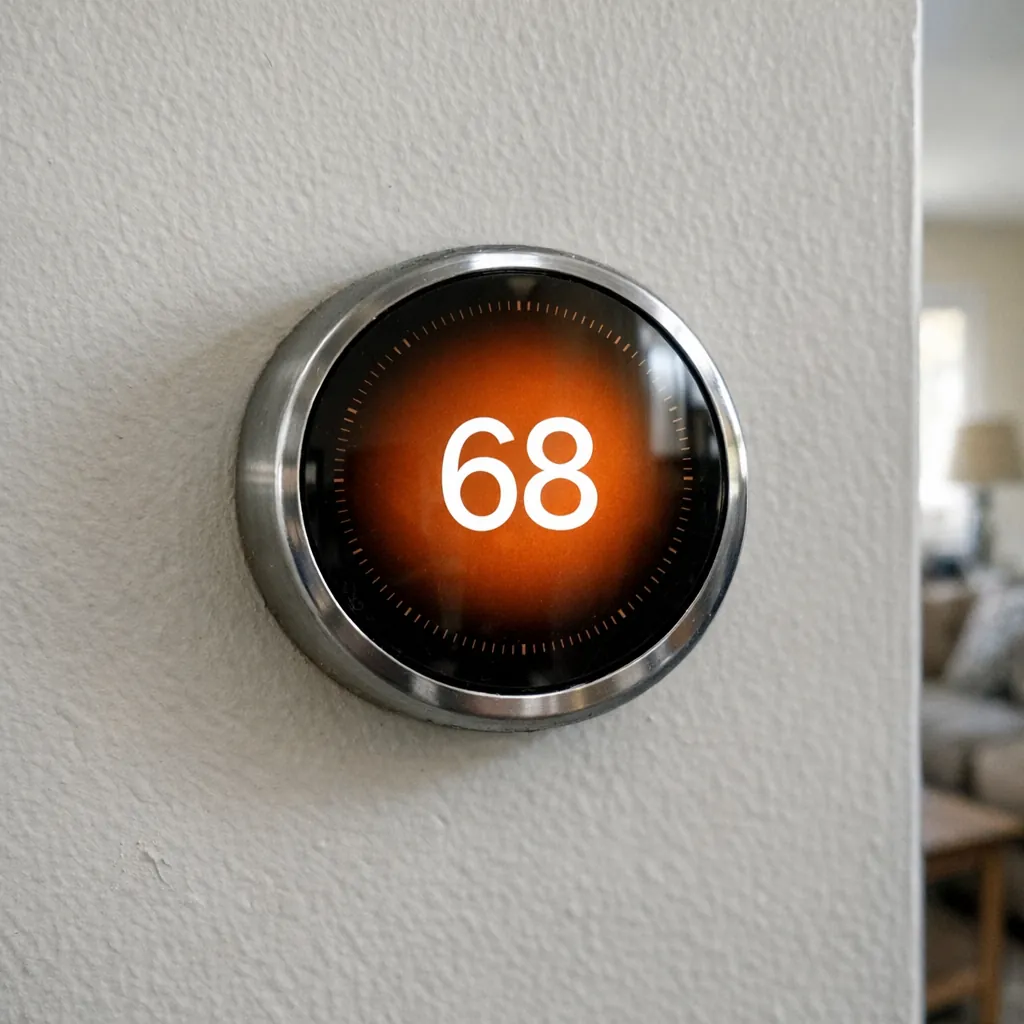
Four things, a few minutes each. They keep the furnace running well, but they don't replace the visit.
- Filter. Check it monthly in heating season. If you can't see light through it, replace it with the same size. ENERGY STAR warns that a dirty filter raises energy costs and can lead to early equipment failure.
- Thermostat. Set it to Heat with the fan on Auto, and replace the batteries if the screen is dim or blank.
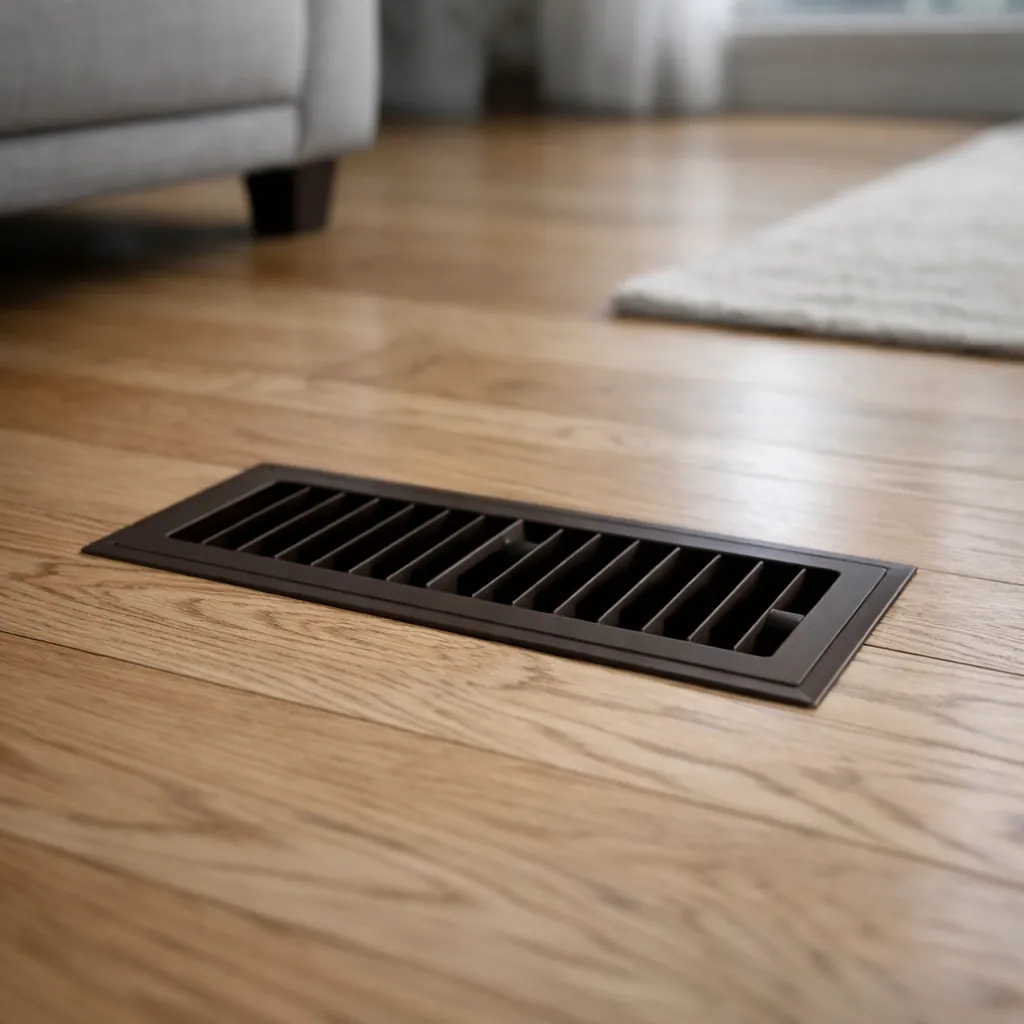
- Vents and returns. Keep supply registers open and uncovered, and keep the larger return grilles clear of furniture.
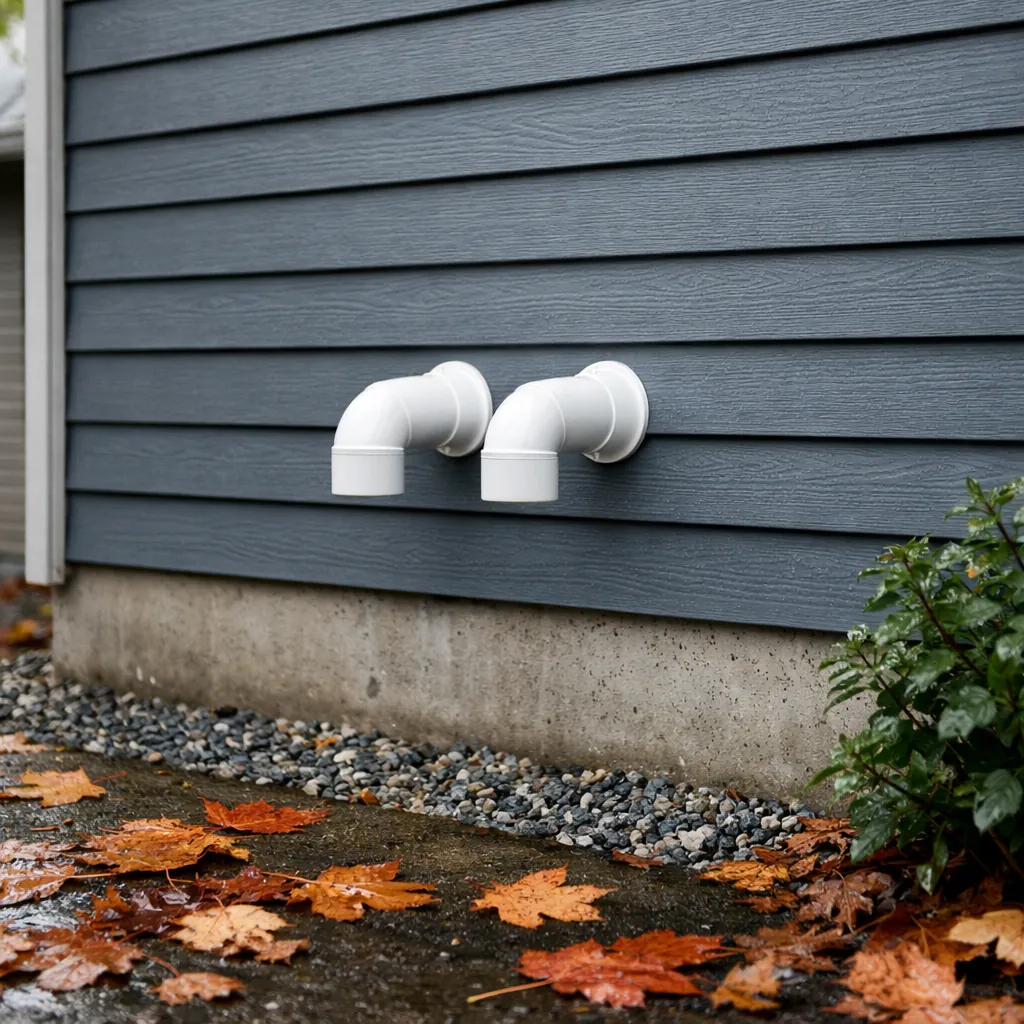
- Outdoor pipes. If your furnace vents through white plastic pipes on an outside wall, keep leaves, nests, and snow away from the openings. Don't push anything into them.
Also make sure you have working carbon monoxide alarms. The CPSC says to put one on every level of the home and outside sleeping areas.
When should I stop and call right away?
These don't wait for a tune-up appointment.
- You smell gas (a rotten-egg smell). Leave right away. Don't flip any switches or use a landline on the way out. From outside, call your gas utility or 911. For Puget Sound Energy customers, the number is 1-888-225-5773, and PSE says it sends a technician at no charge.
- A carbon monoxide alarm sounds, or people feel headachy, dizzy, or nauseated when the heat runs. Get everyone outside to fresh air, then call 911.
- You smell hot plastic or wiring, or a burning smell that doesn't fade. Turn the furnace off and call a pro.
- There's water around the furnace, or it keeps starting and stopping every few minutes. Turn it off and call a pro.
Quick answers
Does a newer furnace still need a yearly tune-up?
Yes. The yearly recommendation isn't tied to age, and newer furnaces are often still under a manufacturer warranty, some of which expect maintenance.
Can I do a furnace tune-up myself?
You can do the filter, thermostat, vents, and outdoor pipes. The combustion, gas, heat exchanger, and electrical checks need instruments and training, so those belong to a pro.
How long does a furnace tune-up take?
Carrier says a thorough professional tune-up typically takes one to two hours. Ask what's included when you book.
Is late November too late for a tune-up?
No. Fall is ideal because contractors are less busy, but a furnace that hasn't been checked this year is worth checking whenever you notice.
Photos in this article are illustrations, not pictures of FixerUp jobs.